The 2025 Cloudflare Outage: A Stress Test for SaaS Resilience
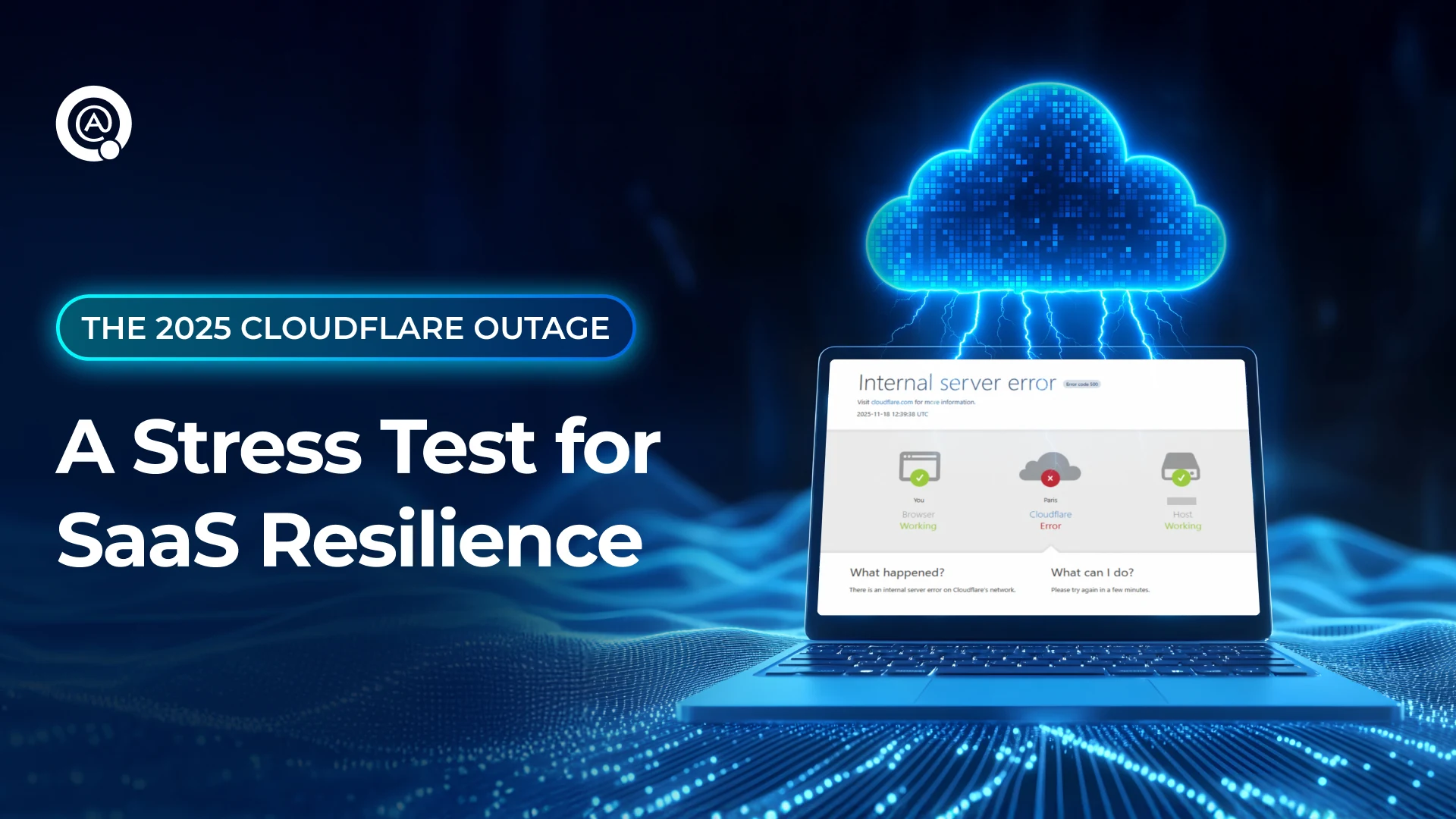
On November 18, 2025, at 11:20 UTC, the largest Cloudflare outage in years brought thousands of SaaS platforms to an abrupt halt. What began as a minor database permissions change cascaded into widespread disruption, revealing how a single infrastructure failure can shake the entire digital ecosystem.
For B2B providers, the incident highlighted how deeply modern products depend on infrastructure layers they do not control, underscoring the need to build real resilience and rethink stability strategies to inspire confidence in proactive planning.
What Really Happened: A Single Change With Global Consequences
The November 2025 outage began with a small internal change to database access settings. That change accidentally broke how Cloudflare generated part of its bot protection configuration, causing a critical file to grow larger than the system was designed to handle.
When this faulty configuration spread through the network, some core components crashed, and others stayed online but misclassified traffic. Inside Cloudflare’s edge, the system kept “flapping” between working and failing states as different servers received either a valid or an invalid configuration.
This internal chain of failures did not start with a cyberattack or a hardware problem, but with a seemingly routine change that exposed weaknesses in configuration validation and error handling. It turned a minor update into a systemic outage across a key part of the internet infrastructure.
The outage underscored the importance of SaaS testing for cloud-reliant products. Validating infrastructure dependencies and stress-testing failover paths can catch weaknesses before they escalate into global disruptions.
How Users Worldwide Experienced the Cloudflare Outage
Beyond technical failures, the Cloudflare outage had a visible, everyday impact on millions of people. Well-known global services slowed down or stopped working entirely, creating a sudden interruption in daily routines:
- Platforms like ChatGPT and X became unavailable or responded with errors.
- Popular consumer services such as Spotify and Canva experienced disruptions, preventing users from listening to music, editing files, or accessing stored content.
- Several gaming platforms and online multiplayer services reported login failures and connectivity issues.
- News and media websites across multiple regions — including Europe and the US — were temporarily unreachable, affecting access to information during peak hours.
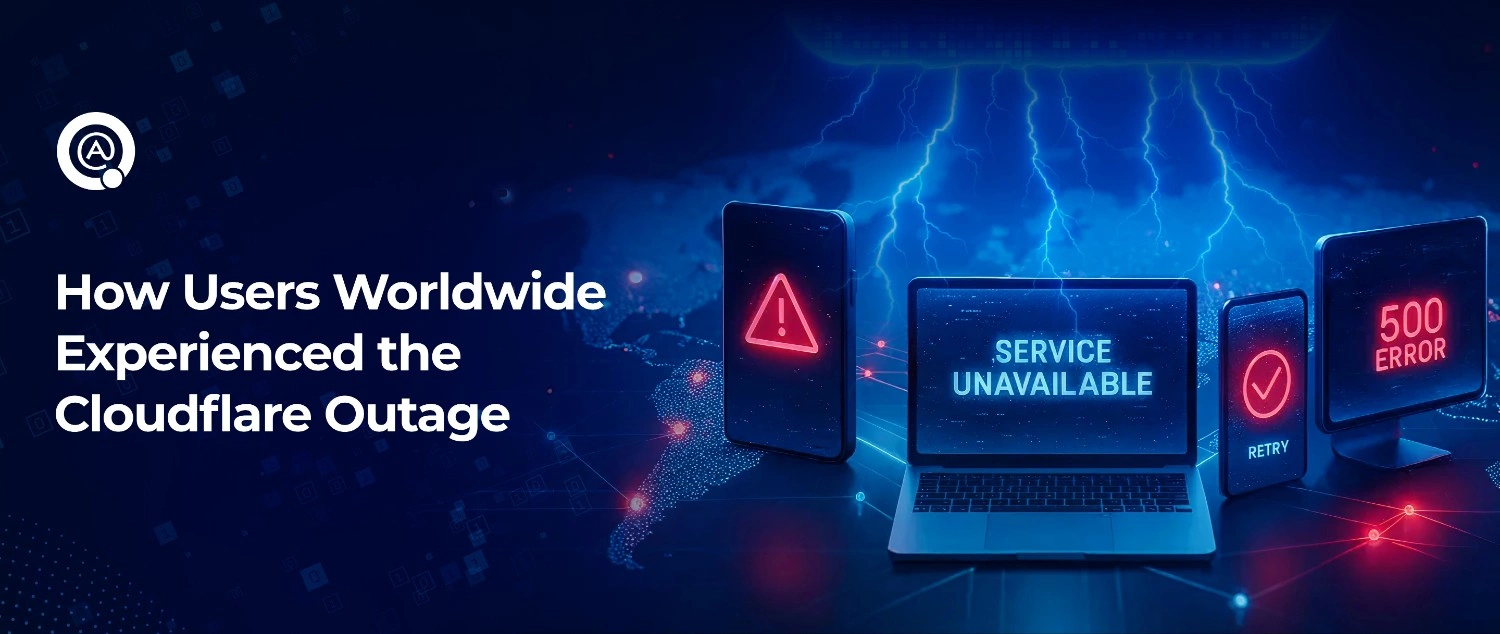
These real-world interruptions demonstrated that the outage extended far beyond infrastructure layers. For many users, the incident showed how strongly everyday digital activities depend on the stability of upstream internet providers.
How the Outage Impacted SaaS Platforms and Their Customers
When Cloudflare’s infrastructure failed, B2B software platforms that relied on its DNS, CDN, or edge services became unavailable, even though their internal servers remained operational. Dashboards were unable to load, authentication stopped, and automated operations stalled, resulting in approximately 3 hours of severe service disruption across multiple SaaS platforms.
For business customers, this interruption affected critical workflows, transaction processing, communication tools, and integrated systems, directly impacting operational continuity and productivity.
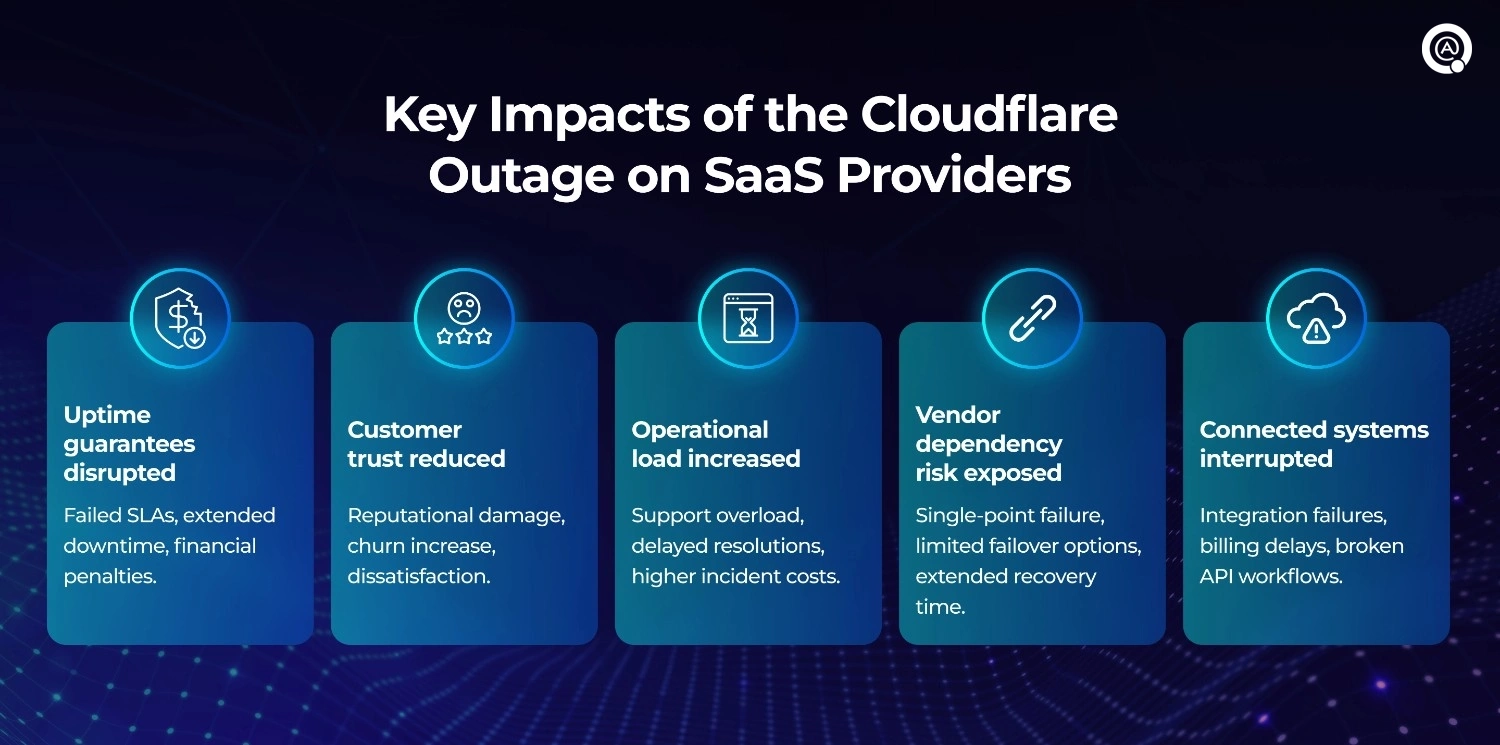
Key impacts for SaaS providers:
- Uptime guarantees disrupted: Platforms displayed “500 Internal Server Error” despite normal internal performance.
- Customer trust eroded: Clients questioned the long-term stability of subscription-based services, influencing satisfaction, retention, and renewal decisions.
- Operational load increased: Support teams saw a spike in incident reports while engineering teams were analyzing an external issue.
- Vendor dependency risk exposed: Reliance on a single infrastructure vendor increased the risk of unplanned downtime.
- Interruptions across connected systems: Partner integrations, billing services, and dependent APIs experienced degraded responsiveness and temporary functional limitations within connected environments.
The outage also clarified what customers now expect from SaaS vendors. Users expect timely, transparent communication; clear status updates; consistent incident handling; and clear accountability, even when the root cause lies outside the product’s boundaries. These expectations are becoming a standard part of B2B SaaS service delivery and influence how customers evaluate reliability and the long-term value of a partnership.
How SaaS Companies Can Prepare via Quality Assurance
While architectural redundancy is vital, validating how the application handles these failures is equally critical. You cannot control when a provider like Cloudflare goes down, but you can control how your software responds.
Strengthening resilience from a QA perspective includes:
- Simulating Third-Party Failures: Testing how the app behaves when dependent APIs or CDNs timeout. Does it hang, crash, or degrade gracefully?
- Validating Error Handling: Ensuring users see helpful status messages instead of raw code, blank screens, or infinite loading spinners.
- Stress Testing Failover Mechanisms: If a backup system is available, verify that failover occurs seamlessly without data loss.
- Regression Testing After Recovery: Ensuring that, when the service comes back online, data synchronization works correctly without data duplication.
- Testing for Graceful Degradation:
If a CDN fails and images don’t load, does text still render?
If chat widgets or analytics scripts are unavailable, does the main workflow still function?
Graceful degradation is a simple yet powerful UX defense: a partial infrastructure failure shouldn’t cause a total product outage. This is where QA transforms uncertainty into continuity.
The Real Lesson: User Experience Is Your Best Defense
No vendor is immune to failures. Infrastructure can falter, upstream services can disappear, and even global giants like Cloudflare can go dark unexpectedly. But the objective is not perfection — it is trust.
A seamless, bug-free daily experience is the strongest long-term argument for customer retention. When your product delivers stable performance 99% of the time, users intuitively understand that an external outage is an exception, and not a systemic weakness.
Quality Assurance builds that trust buffer.
It protects perception, loyalty, and confidence in the journey you lead your customers through. We help SaaS products remain usable, calm, and predictable — even when upstream services fail. Let’s strengthen your quality together — contact us.

Learn more from QATestLab


Related Posts:
About Article Author
view more articles