PGC Barcelona 2026: Indies, Demos, and Player Experience in Focus
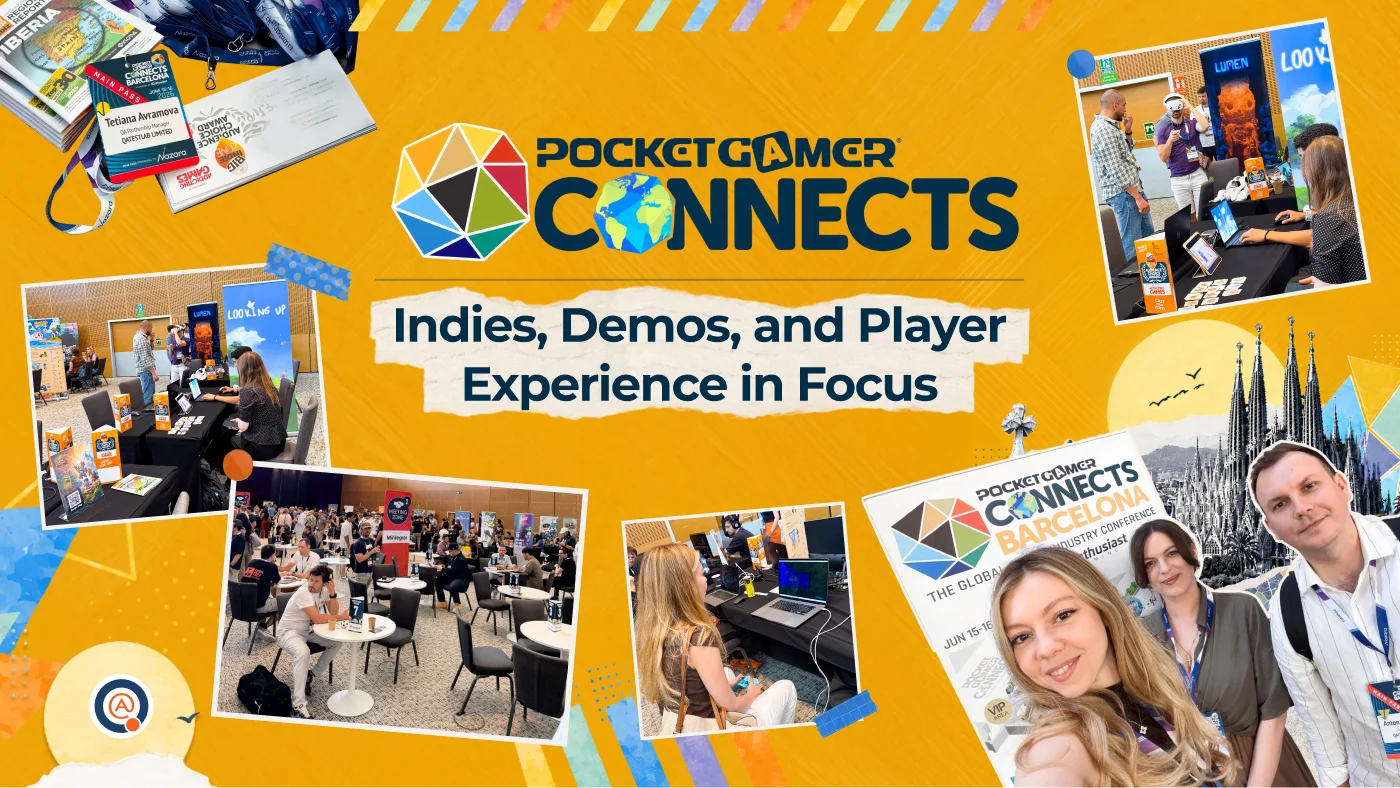
Pocket Gamer Connects Barcelona centered its two days entirely around personal connections and direct dialogue. Our team actively connected with studios to help them address quality risks and map out reliable release plans.
Our Team at Pocket Gamer Connects Barcelona
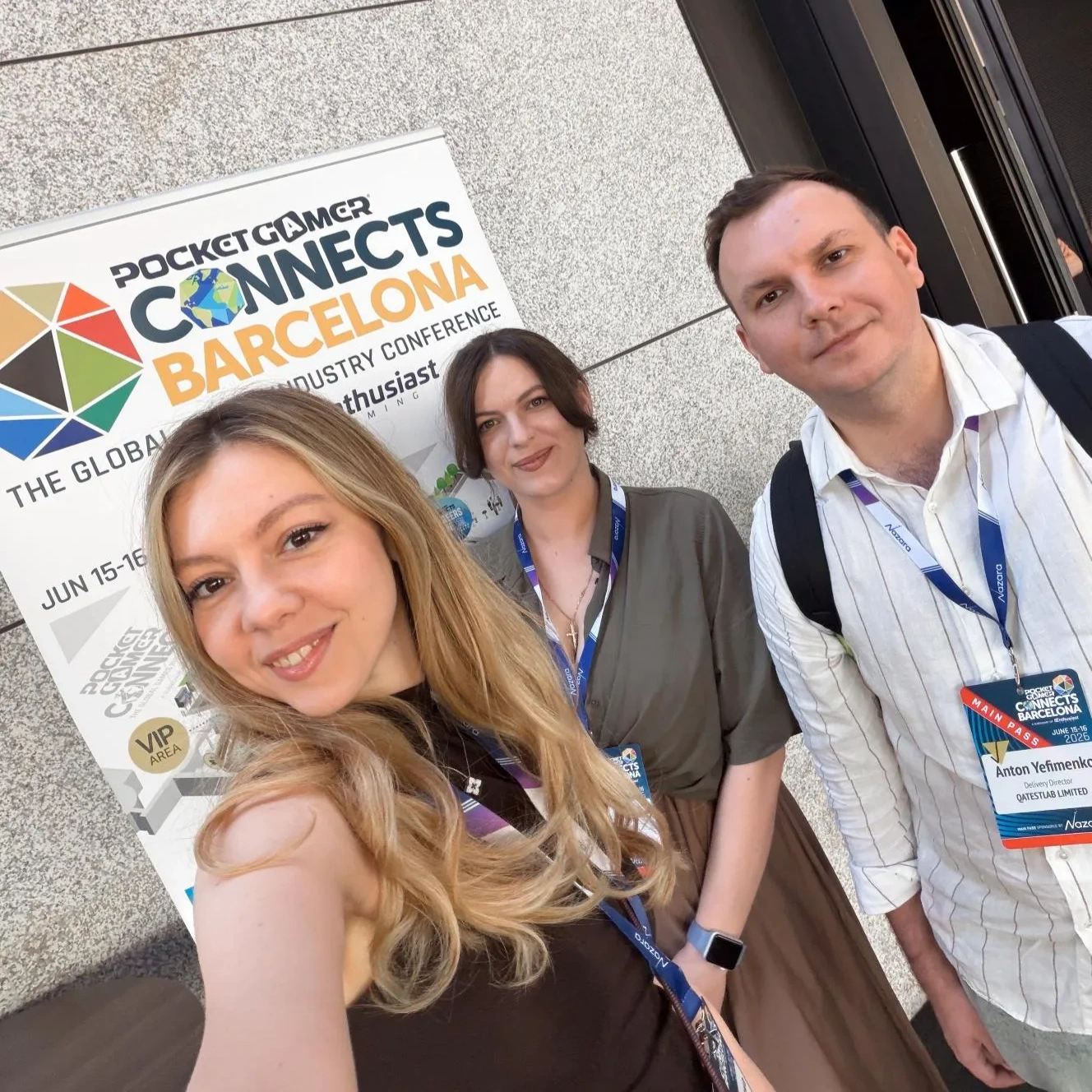
Diving into these one-to-one discussions from the QATestLab side were:
- Anton Yefimenko – Delivery Director
- Tetiana Avramova – Key Account Manager
- Nataliia Hrushka – Program Manager
The Event in a Nutshell
PGC Barcelona brought everyone together under one roof. While the schedule included multiple speaker tracks, attendees were heavily invested in one-to-one exchanges, keeping the meeting zones busy across both days. The setup made it easy to cross paths with earlier contacts, so by day two, conversations skipped the basic small talk and moved straight into deeper details.
This openness allowed studios to talk freely about their actual development bottlenecks. The event brought together a diverse mix of mobile, PC, VR, and iGaming teams at all production stages – from early prototypes to final launch builds.
Notably, technical leads and CTOs were often the ones driving these quality discussions. They came looking for reliable QA approaches to bring to the business side as a shaped plan. That kind of ownership over release preparation signals maturity in how studios operate today.
Player Experience Is Getting Serious Attention
Studios are putting visible effort into the player’s environment, treating comfortable player journeys as a strategic priority. Barcelona discussions frequently centered on onboarding flows that guide without interrupting, timely contextual hints, and native accessibility features built in from day one.
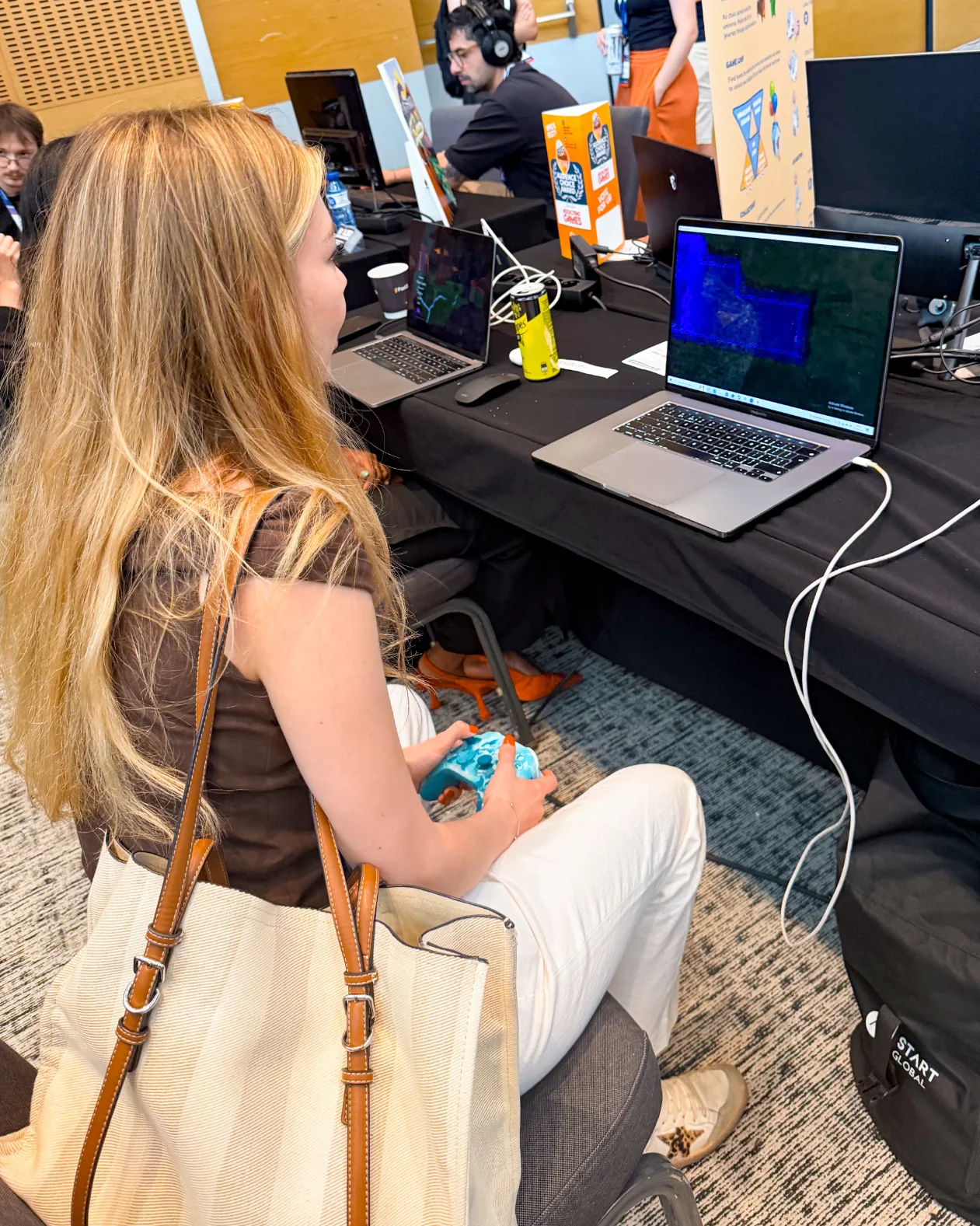
The rise of relaxation-focused games further highlights this trend. With their calm pacing and low-intensity mechanics, these projects bring unique quality benchmarks, where smooth controls and overall player comfort become the main focus of testing.
Build Validation Before the First Pitch
Another notable trend is that the teams are increasingly prioritizing objective feedback before their builds reach investors or players. Many studios seek an external evaluation to get clear, reliable data on where their product stands before heading into an important pitch.
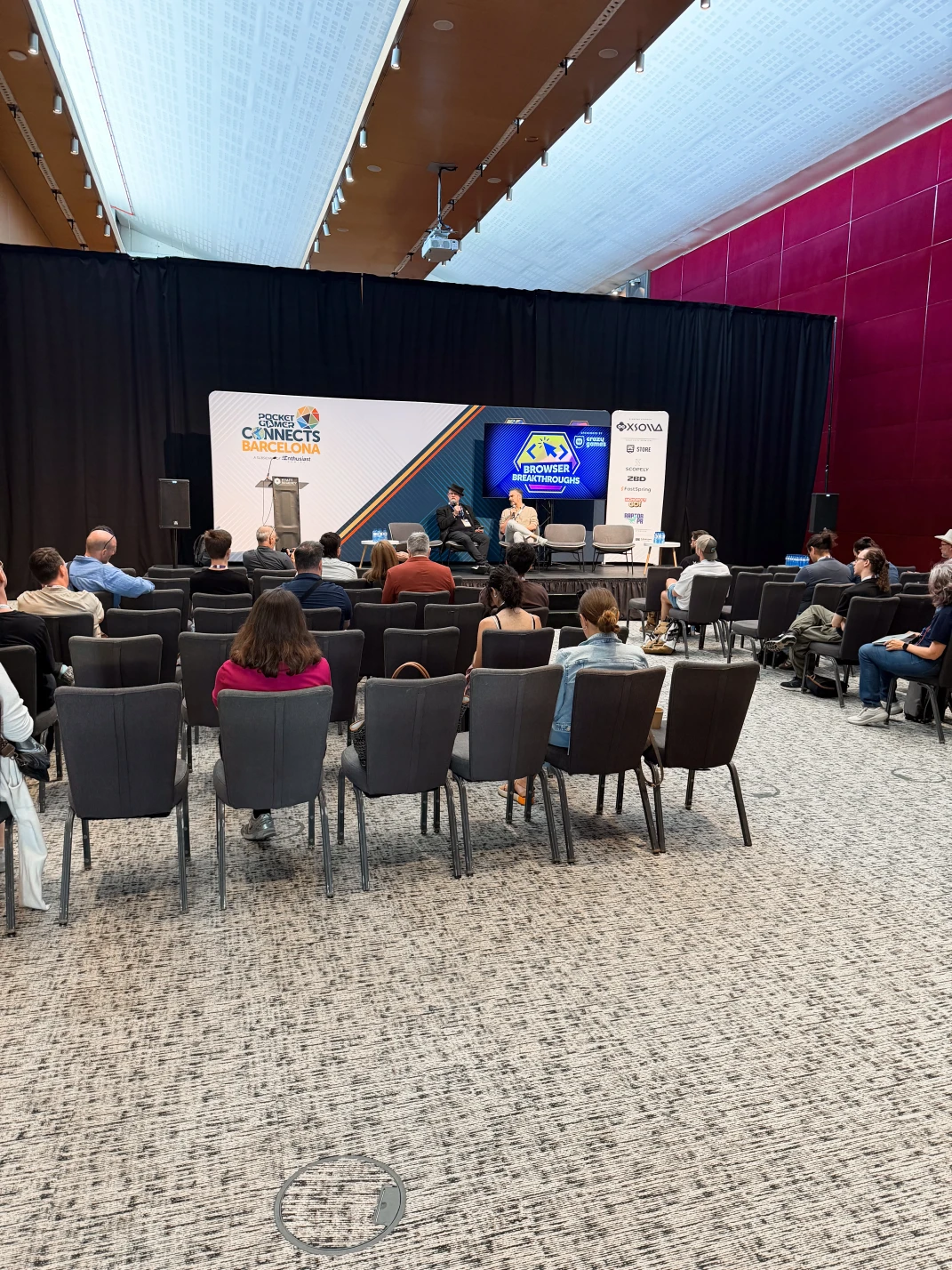
This focus was highlighted during a panel session when a speaker shared a simple rule: test your build before showing it to anyone. The room of developers took this advice seriously, showing that studios want a true picture of their game’s condition ahead of its first major public exposure.
Compatibility Across Platforms
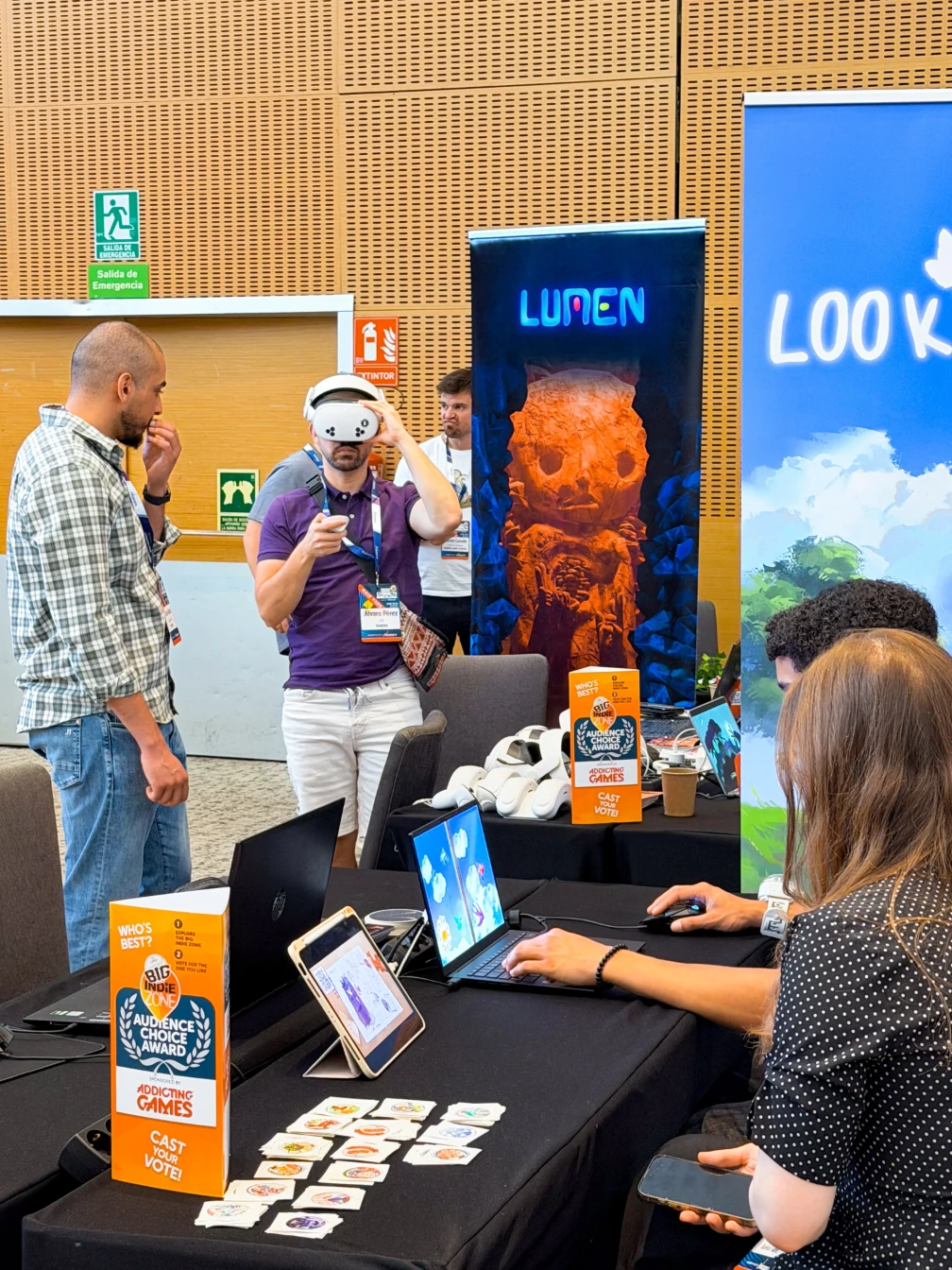
Compatibility testing remains a common topic for developers looking to ensure a reliable experience across mobile or PC platforms. This challenge is also moving in new directions – for instance, a startup at the event needed specialized hardware coverage for a service streaming mobile games onto smart TVs. To help teams handle such fragmentation, QATestLab provides a pool of 500+ real test devices for comprehensive validation.

The Scope of Game Localization Quality
Many teams we spoke with are already planning to release their games in multiple regions. For resource-conscious studios, localization quality is a practical necessity – a wrong tone, untranslated interface elements, or cultural references that fall flat can quickly hurt player numbers in a new market.
Because localization affects text, visuals, audio, and cultural context simultaneously, testing requires a complex approach that considers the entire player experience. We shared a practical breakdown of how this works in a recent guide on localization testing and player retention.
Matcha KitKats, Popcorn, and a Poster Mix-Up
Beyond the networking itself, the event also had a very welcoming atmosphere. We spent a lot of time in the indie zone trying out new games and talking directly with creators. The teams brought plenty of personal touches to their spaces – at one booth, we were treated to matcha KitKats brought straight from Japan, while another stand drew everyone in with fresh popcorn.

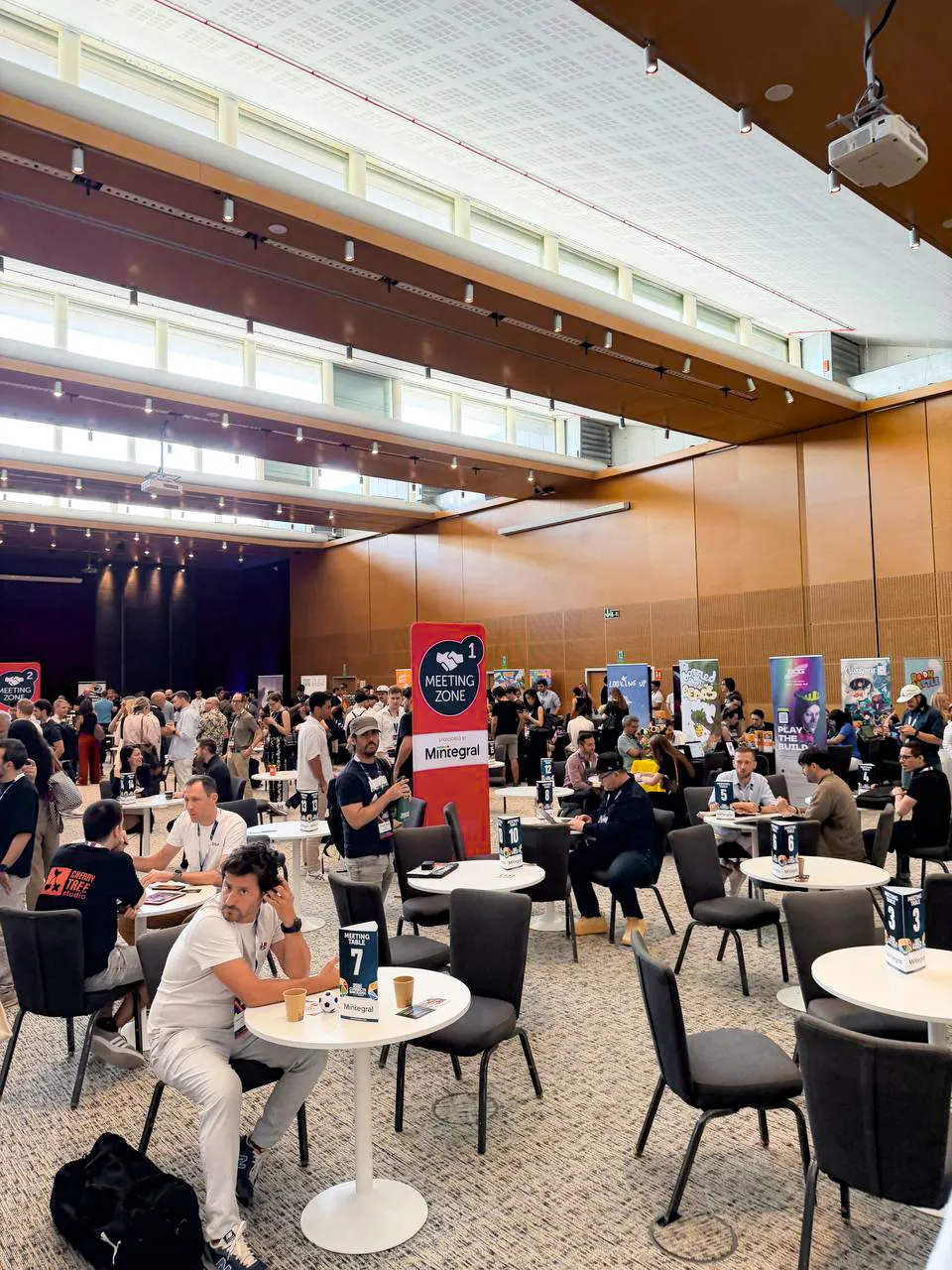
The venue’s layout also led to some funny situations. We had a moment where one of our delegates and a partner managed to miss each other while standing just meters apart under the same poster, both looking for the other in the crowd. It’s these unplanned moments, along with quick chats in the common areas, that often sparked the most genuine conversations.
Blitz Q&A: Key Takeaways
Summing Up
Our conversations in Barcelona highlighted several clear priorities for game teams today. They are focusing much more on the player’s environment – specifically onboarding, accessibility, and general comfort. Independent build validation is becoming a regular step, especially for indie projects preparing for investor pitches. At the same time, managing device compatibility remains a constant task, and studios are starting to plan localization much earlier in development.
These are the exact challenges QATestLab helps solve. If you are preparing your game for a pitch or an upcoming launch, contact our team to align on scope, clarify priorities, and map out a reliable QA plan.

Learn more from QATestLab


Related Posts:
About Article Author
view more articles