VivaTech 2026: Practical QA Lessons from AI, Robots, and Real-World Demos
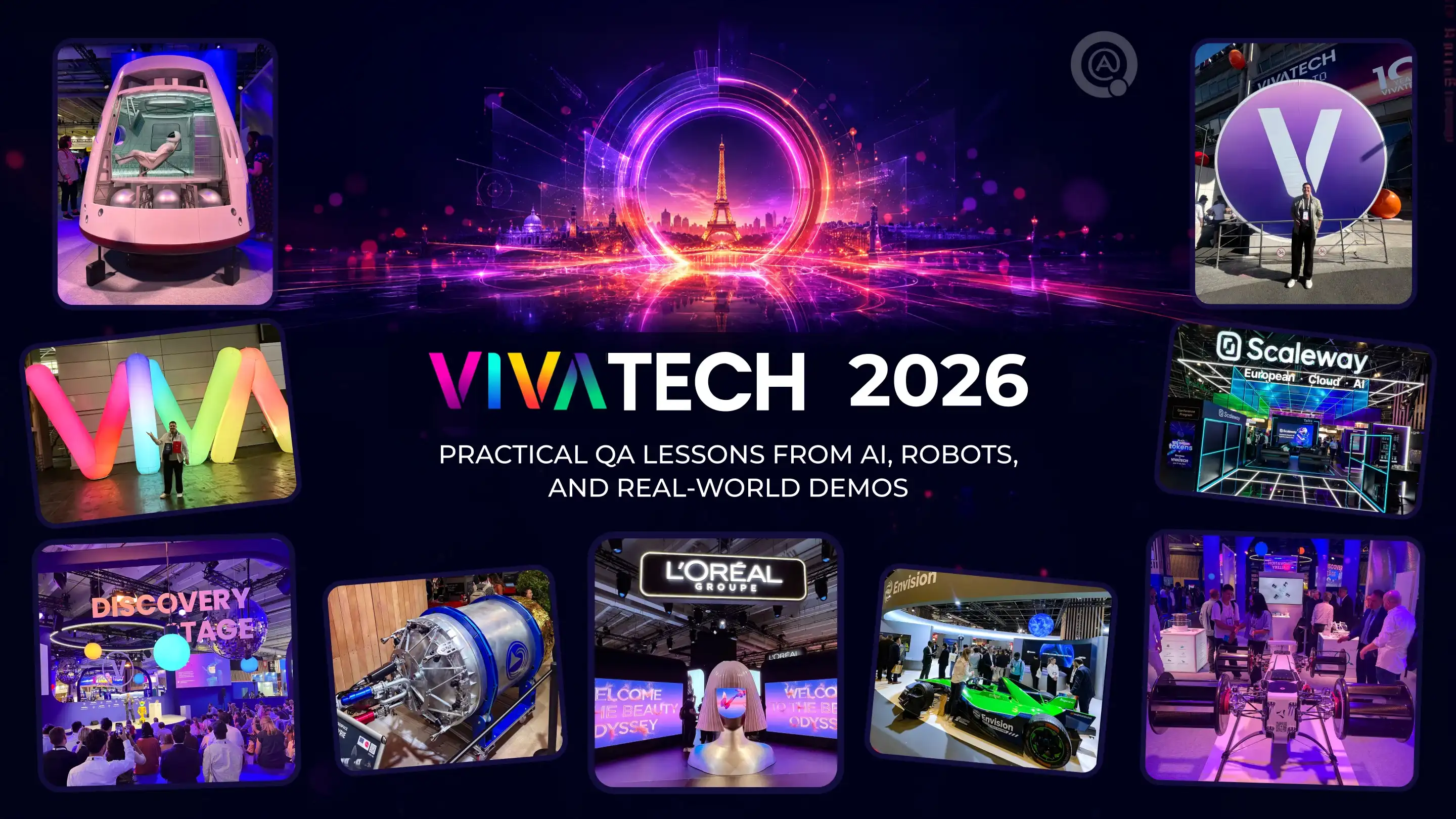
At VivaTech 2026 in Paris, QATestLab joined one of Europe’s biggest startup and tech events at a moment when AI, robotics, mobility, and interactive product demos were taking over the show floor. The event brought together startups, tech leaders, investors, and product teams to see how new technologies work in real-world settings.
For product teams, this was the most useful part of VivaTech: the event made technology feel like the next business step. A strong demo can attract attention. The next decision depends on what the team can safely release, scale, or show to users. That is where every impressive idea meets a practical question: is the product ready for real conditions, real expectations, and real user behavior?
Our Delegation
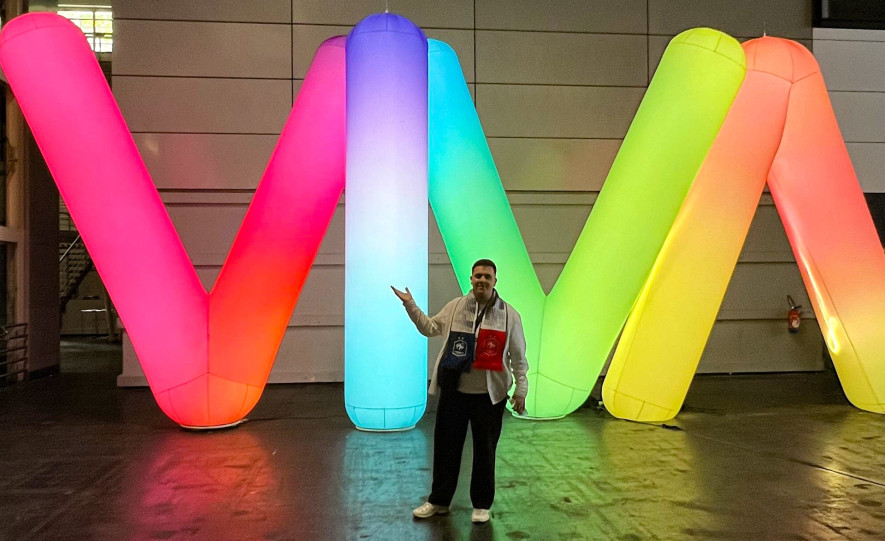
QATestLab was represented at VivaTech 2026 by Illia Shymanskyi — QA Integration Manager
On the Show Floor
VivaTech 2026 moved fast from the first hours. Founders, CTOs, and product leaders presented products in packed halls, moved between startup zones and major brand stands, and answered questions around live demos.
A Paris football scarf became an easy starting point for several warm exchanges on the show floor. It helped make first contact feel more natural before the conversation moved into product context. Illia talked a lot about where a product already looked strong, where the next release could still carry risk, and which product layer was planned next, helping teams connect their current state with clear next steps.

AI in Product Workflows: Control Comes First
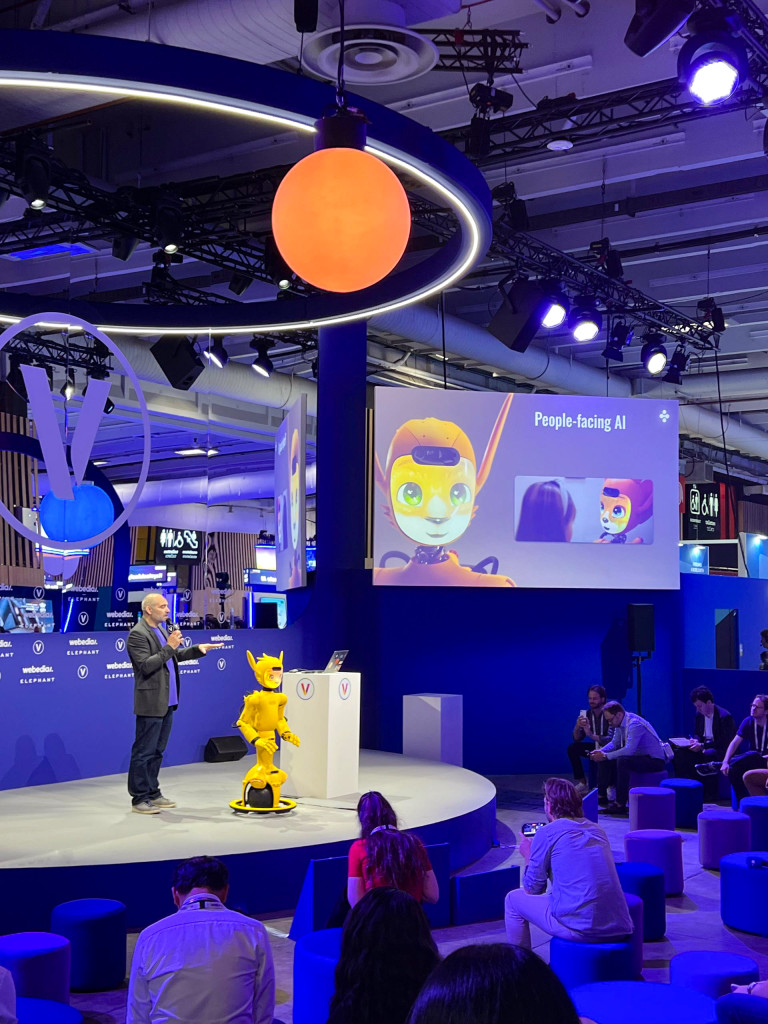
VivaTech showed how quickly AI moves from impressive demo to real product logic. The strongest examples were those in which the team could clearly explain what AI does, how the result is produced, and where people remain involved in the decision.
For us, the practical takeaway is about control. AI features need visible logic, clear review points, and an AI testing approach that helps the team understand how the product behaves when the context changes.
For business and product teams, this means looking beyond the “wow” effect and asking whether the AI result can be explained, reviewed, and trusted when users interact with it in different ways. This keeps AI useful for delivery and trusted at the business level.
The Business Questions Behind the Technology
At VivaTech, many demos were designed to create instant interest. Visitors could see products moving, reacting, scanning, guiding, or responding in real time. Through conversations with founders and product teams on the show floor, this quickly became a practical business question: what happens after the demo gets attention?
For a CTO or product leader, a strong demo can start a conversation with a client, investor, or partner. In discussions Illia joined, teams often shifted from showcasing features to assessing whether the product would remain stable in real use and across future releases. A good demo should show how the product actually works and how ready it is, while QA helps turn interest into action by making clear what is ready and what still needs attention.
Robotics and Product Demos at VivaTech 2026
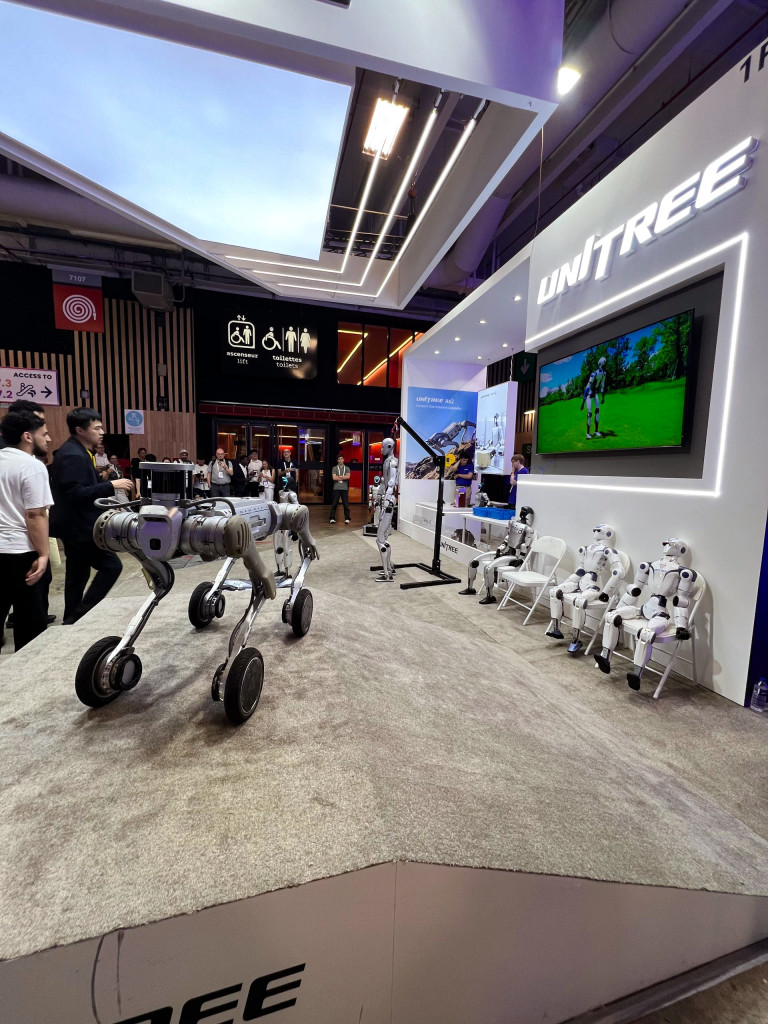
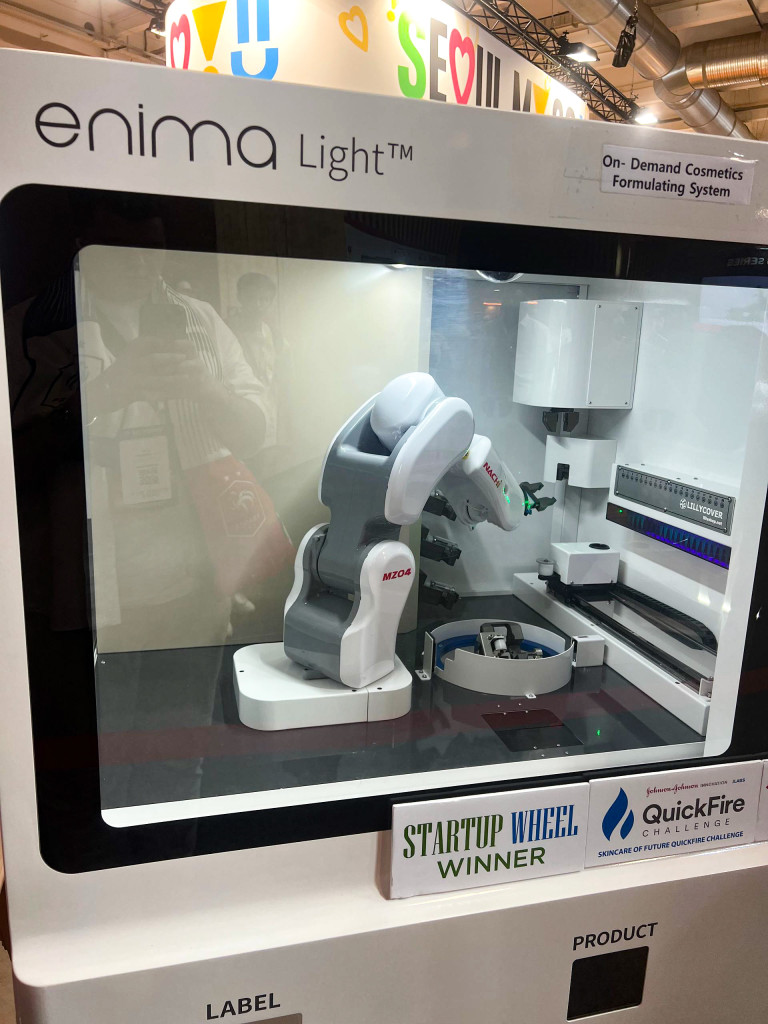
Robotics was one of the busiest parts of VivaTech 2026. Food delivery robots moved through the venue. Robotic arms performed precise actions on stands. Autonomous mobility concepts continued to draw visitors who wanted to see how these systems behaved in real space.
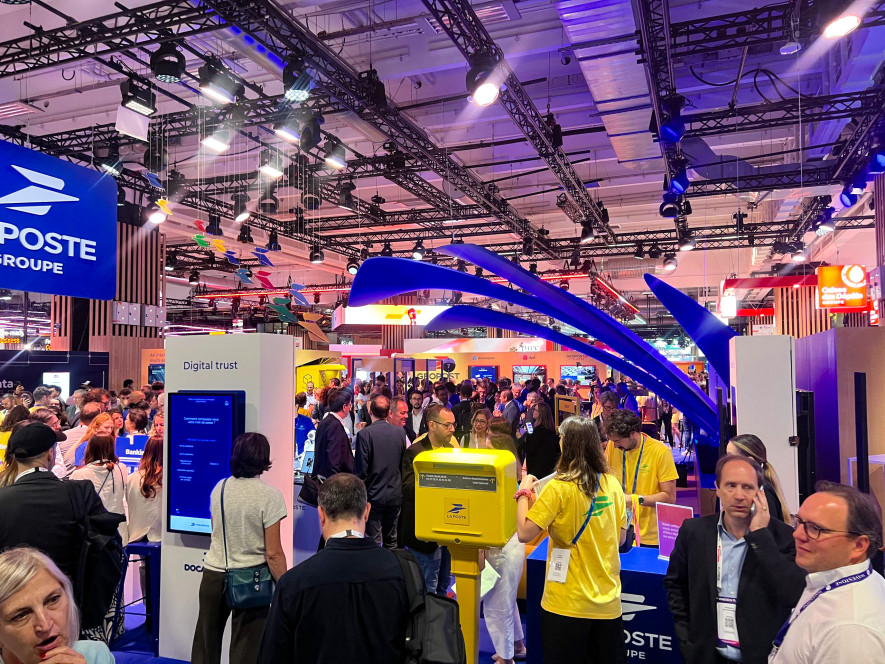
Several stands turned technology into full product scenes. La Poste created a small logistics world with a moving LEGO-style city, parcel-handling robotics, and a smart scanning glove. L’Oréal made its beauty-tech story visible with a large head installation visible from afar. Spaceship added a different scale to the show floor with a capsule concept for orbital launches.
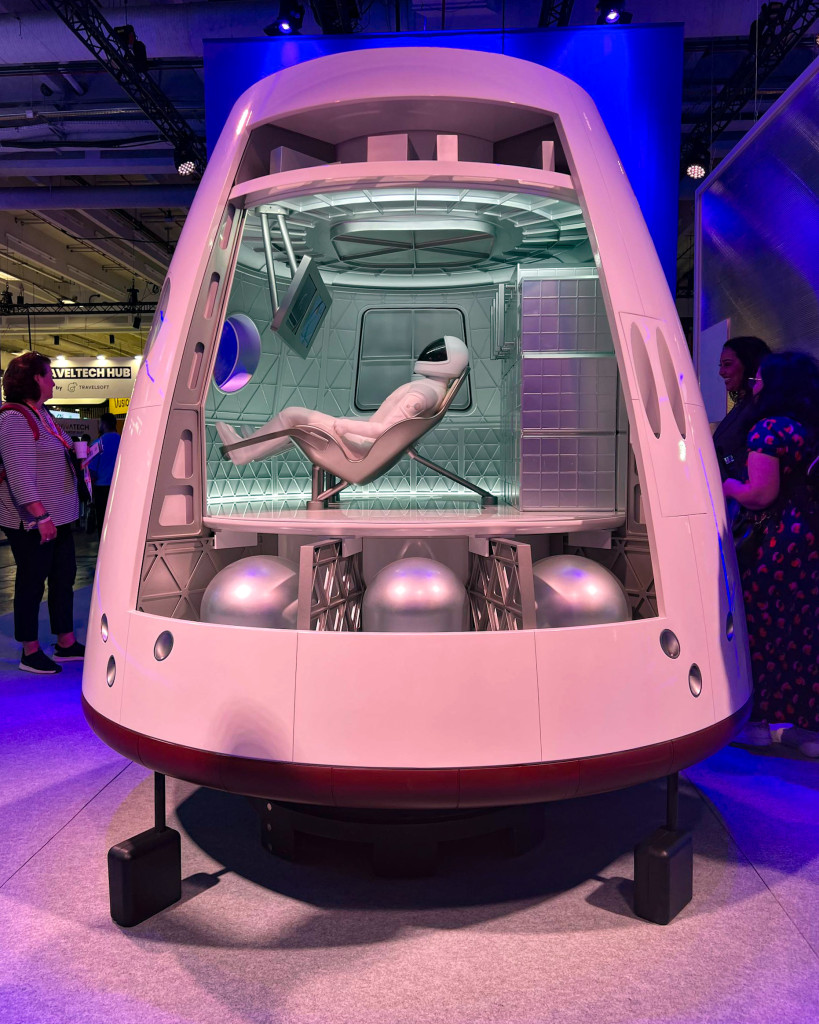
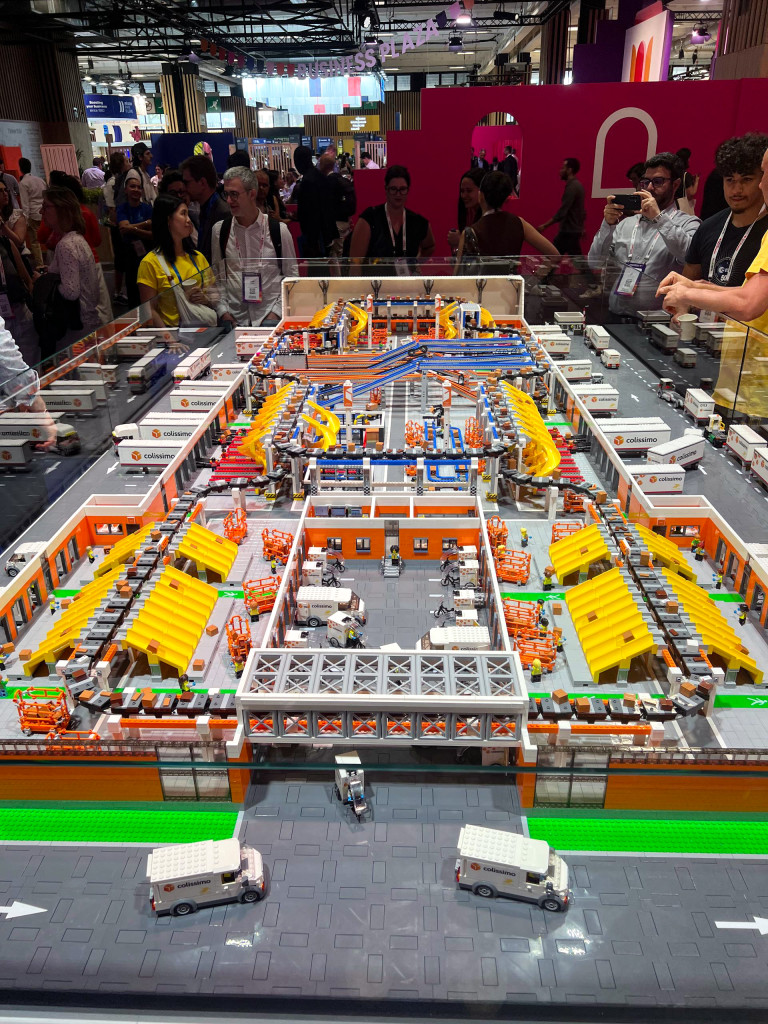
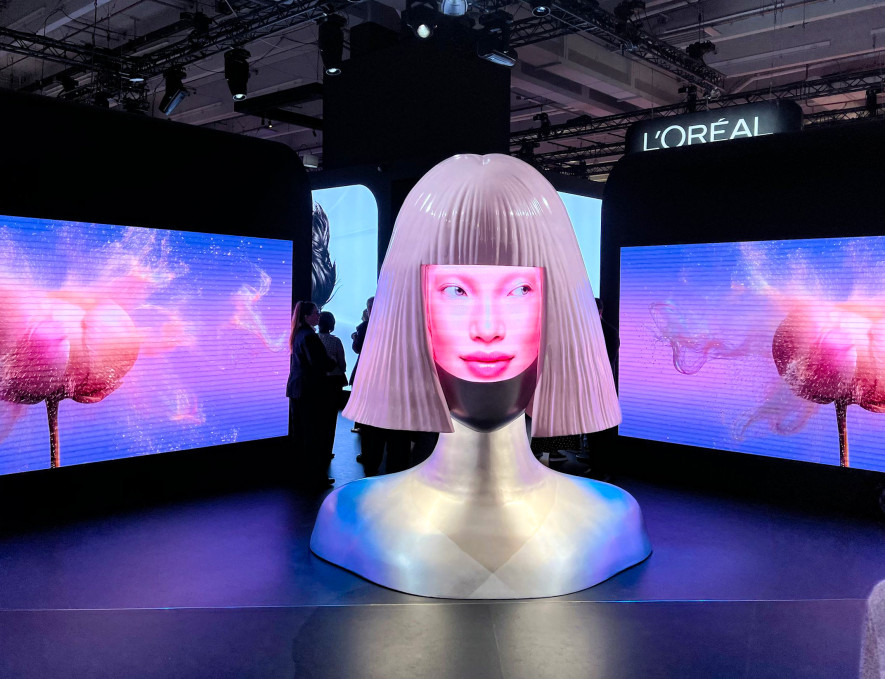
These examples showed one important product lesson: when technology enters physical space, small details become part of the experience. Movement, timing, scanning, guidance, interruptions, and user reactions can all influence whether the product feels reliable. This is why connected and robotic systems require thorough validation of embedded systems in real user interaction contexts.
Accessibility in Practice
Accessibility stayed visible throughout VivaTech 2026 and became one of the most pleasant impressions from the event. In crowded halls, clear routes, dedicated areas, and planned movement helped visitors with different mobility and communication needs navigate the venue with more comfort and dignity.
For interactive products, this directly connects to trust. People need to understand where to go, what happens next, and where to find support. Accessibility testing helps check these moments early: navigation, guidance, messages, device context, and recovery before gaps reach real users.
The same principle applies to digital and physical products: when the path is clear, people feel more confident using the product.
Key QA Notes from VivaTech 2026
AI is moving closer to daily product decisions. Teams should understand how AI produces results, where human review happens, and how the product behaves when context changes.
AI can help structure requirements, outline test coverage, and speed up repetitive QA planning. Its value grows when each AI-supported check remains aligned with product logic and expected user behavior.
Robotics and live demos showed how physical behavior shapes product trust. Movement, timing, scanning, guidance, and user reactions can change how reliable a product feels.
Accessibility helps users feel confident during interaction. Clear navigation, visible guidance, understandable messages, and recovery paths make the next step easier to follow.
Teams should know what is ready to move forward, what still needs proof, and which risks can affect users or business plans. This helps turn a strong product idea into a clearer decision about the release.
Final Thoughts from VivaTech 2026
VivaTech 2026 left us with many strong impressions of products. AI is becoming part of daily work, robots are appearing in real spaces, and live demos are helping teams explain complex ideas faster.
For QATestLab, the main takeaway is practical: after VivaTech, product teams need to turn a strong demo into a release plan that holds up in real user conditions. That means understanding what is ready to move forward, what still needs proof, and which risks can affect the next product stage.
If your team is preparing a product for its next release step, QATestLab can help define what should be checked first and where the main risks may appear.
Contact us to discuss your product context before the next release stage.

Learn more from QATestLab


Related Posts:
About Article Author
view more articles